 Matthew Bailey
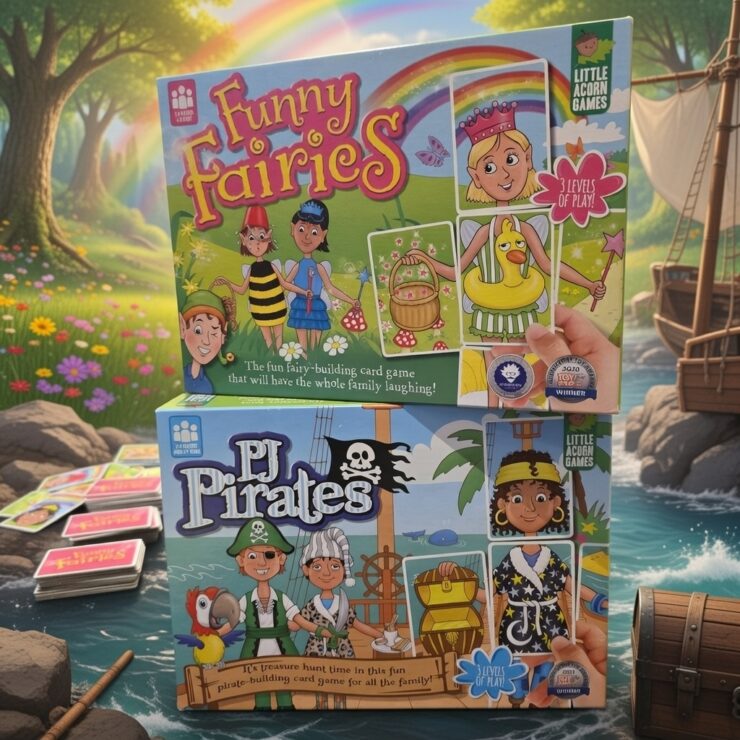
Little Acorn Games are a young children’s board game company who have produced a number of games for the young family audience. I was lucky enough to receive some copies to share my thoughts on, and if I’m being completely honest, it’s a bit of a mixed bag.
Both games here were played with myself and Henry (4).
First and foremost, I received four games in total, two of which I’m going to look at here: Funny Fairies and PJ Pirates. It was genuinely exciting to get four different games that I could sit down and play with Henry for an afternoon, but once we got stuck in it became apparent very, very quickly that PJ Pirates and Funny Fairies are exactly the same game, with one simply being pirate-themed and the other fairy-themed.
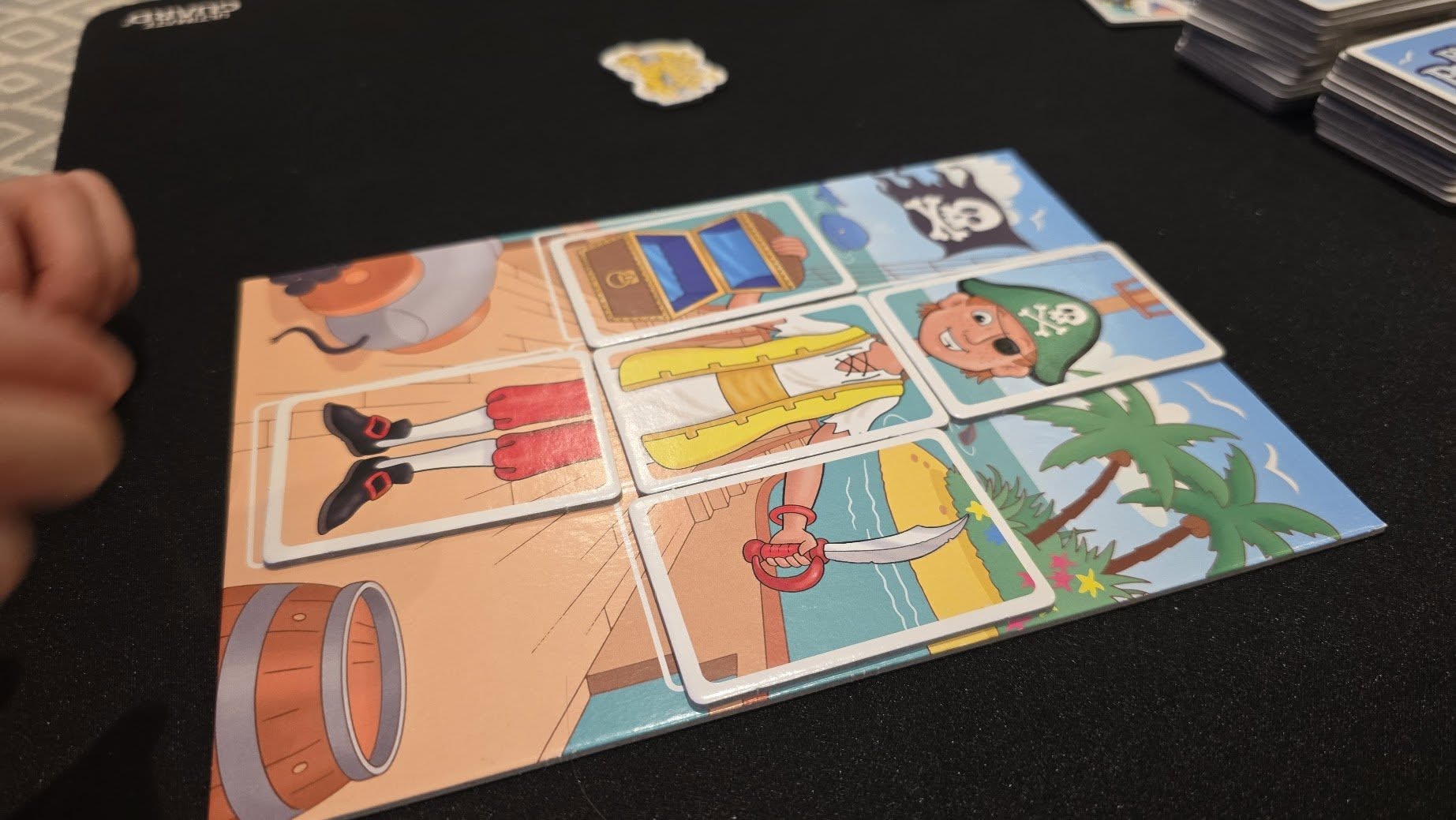
In 2026, I find it really strange that we still have gender-gendered games, and it feels completely unnecessary. That said, the thing that bothered me the most is that it’s not immediately obvious that these games are identical. In fact, it’s even less obvious with the other two games I’ll be looking at tomorrow, and I can very easily see someone buying both without realising they’re exactly the same game.
Essentially, the way the game works is that you take a character card and you’re trying to dress up your fairy or pirate in either fairy gear or pirate gear. On your turn, you turn over a card from the draw pile and, if it’s a piece you don’t already have, you place it on your board. What you’re trying to do is simply dress your character fully as either a fairy or a pirate.
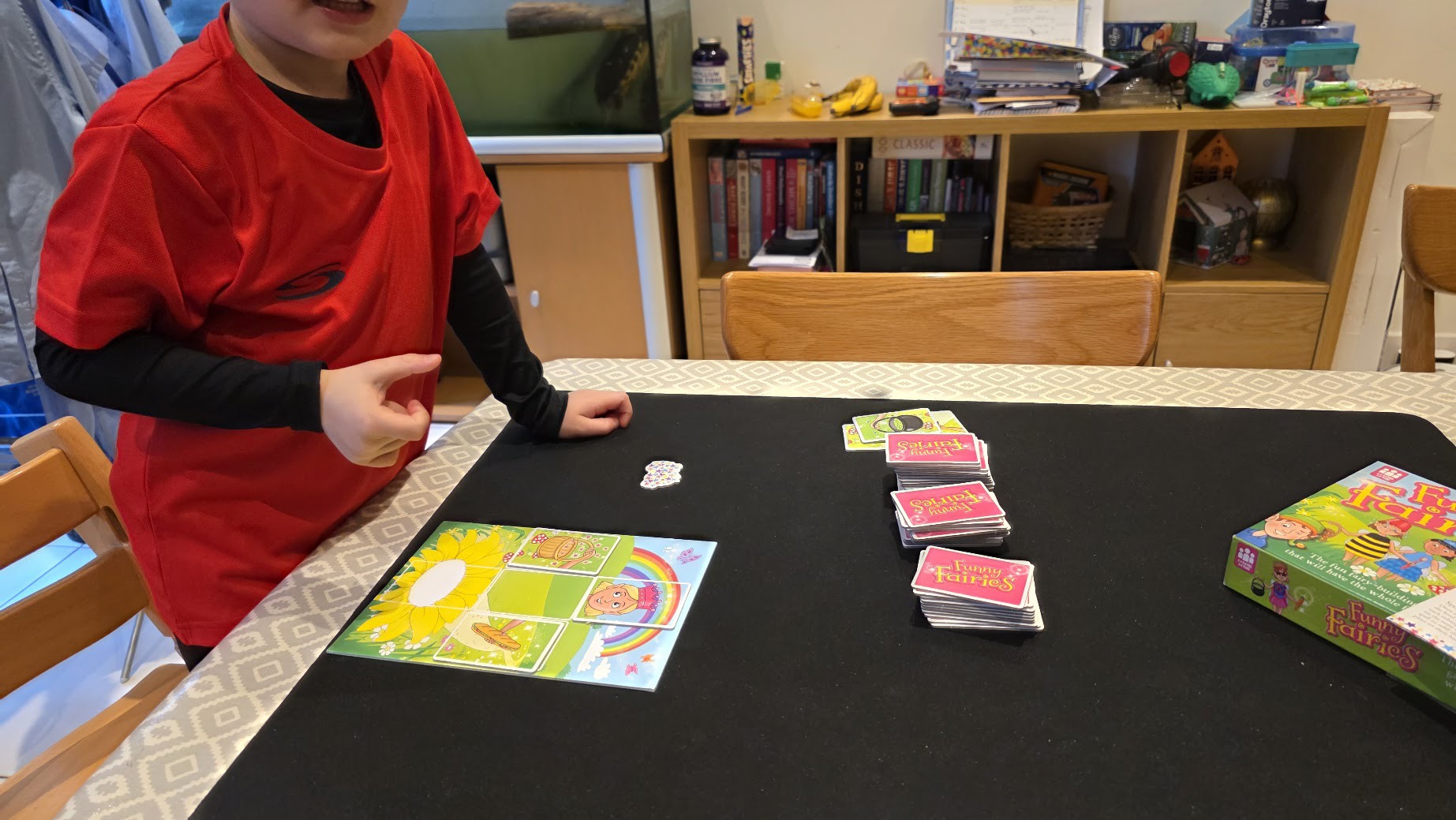
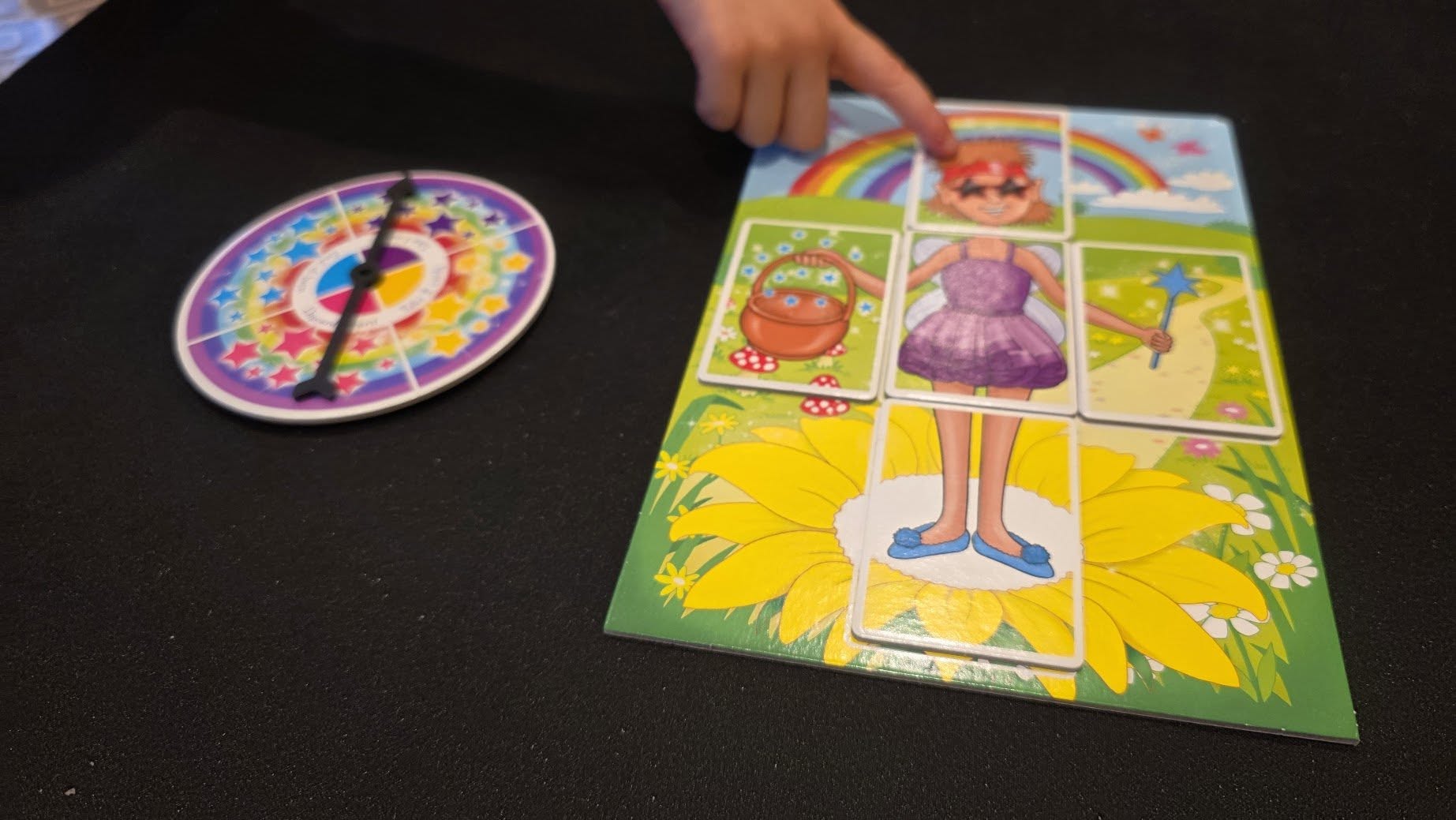
Alongside those pieces, there are also “funny” costumes for the fairies and pyjamas for the pirates. These oddly get used to fill spaces but don’t actually count towards winning, which is a bit strange. Still, it does mean you end up with some silly-looking characters, which I can imagine a very young child might find amusing.
After playing a second game of Funny Fairies, Henry decided it was more interesting to try and get everyone dressed in the bunny outfits instead, simply because the chances were lower. We did that, and it actually played reasonably well.
The best way to describe both of these games is that they have a very strong Orchard Toys vibe. If you’ve ever picked one of those up, you basically know what you’re getting into. This is very simple stuff, and while I appreciate that for very young children, that’s not necessarily a bad thing, it still feels extremely thin.
We played PJ Pirates, which Henry kind of enjoyed but definitely didn’t want to play more than once. As soon as we started Funny Fairies and quickly realised it was exactly the same game, I suggested we try dressing them in their funny outfits rather than their fairy outfits just to mix things up a bit.
These games are fine, but I can’t really recommend them. They are unbelievably simple, to the point where I think anyone in this group looking for suggestions for proper board games to play with their kids will find these fall well short. There are absolutely no tactics or strategies. You turn over a card, you’re lucky if it’s one you need, and if it isn’t, tough. The first person to successfully draw the right cards wins. There’s no real gameplay to speak of, no decision-making at all, and the best you can hope for is a mildly amusing array of outfits that your child might find amusing.
To reiterate, if you are considering buying these at all: they are exactly the same game. You absolutely do not need both.
I’d suggest checking out some of the games previously released by Kiwi Zoo, as they’ve been doing some really cool things in the younger kids’ space over the past year. And of course, there’s always the excellent back catalogue of games released by HABA.